Italian Herbs and Cheese Artisan Sourdough Bread — sourdough baking bliss
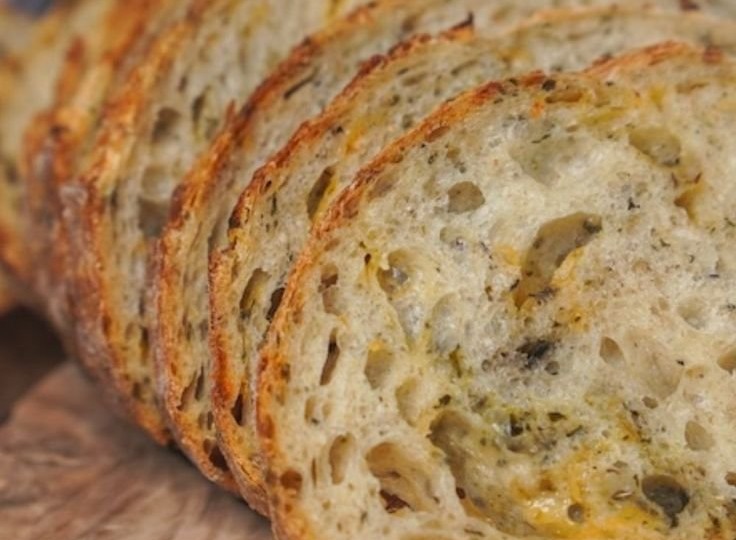
I fell in love with Italian Herbs and Cheese Artisan Sourdough Bread the first time I tore into a warm, cheesy slice straight from the oven. It was the perfect marriage of tangy sourdough crumb, fragrant Italian herbs, and gooey cheese — a comfort food moment that felt both rustic and celebratory. Growing up, my family would gather around long wooden tables with loaves of herbed bread, olives, and a pot of steaming soup; that memory inspired this loaf. Italian herbs like oregano, basil, and thyme have long been staples in Mediterranean cooking, bringing savory depth and an aromatic finish to breads and meals alike. This loaf is my nod to those traditions, baked slow and shared with the people I love. If you’re looking for something to elevate a dinner or make a cozy weekend morning special, this is it. Pair it with a bowl of soup or a simple salad for an effortless, satisfying meal — it even complements creamier mains beautifully like some of my favorite recipes from the site. (
)
This recipe is approachable, flavorful, and deeply rewarding to bake at home.
Who is this recipe for?
- Home bakers who love artisan-style bread, families who want a hearty loaf to share, and anyone who enjoys savory, cheesy flavors in their sourdough.
Core ingredients overview:
- This recipe blends active sourdough starter and bread flours with whole wheat for depth, plenty of water for an open crumb, an Italian seasoning blend and dried basil for aromatic flavor, and a double-cheese combo (Colby Jack and Parmigiano Reggiano) for rich, melty, savory pockets throughout the loaf. See the full ingredient list below. For more on my background and why I bake, you can read my short biography here: Chloe Sanders Biography.
Tools & Ingredients
Tools
- Large mixing bowl
- Jar for feeding starter
- Digital kitchen scale
- Bench scraper
- Dough scraper or spatula
- Dutch oven (or baking stone + steam method)
- Proofing basket (banneton) or bowl lined with a floured towel
- Kitchen towel or plastic wrap
- Oven mitts
- Sharp bread lame or sharp knife for scoring
- Cooling rack
Ingredients (with benefits)
- 12 g sourdough starter (active or discard) – helps refresh your starter and jump-start fermentation
- 60 g water (for feeding starter) – hydrates the starter so it becomes active and bubbly
- 60 g bread flour (unbleached, King Arthur) – builds gluten structure for a strong rise
- 325 g water – provides hydration to create an open, tender crumb
- 450 g bread flour (unbleached, King Arthur) – primary flour for structure and chew
- 50 g whole wheat flour (Sunrise Flour Mills) – adds flavor depth and nutritional fiber
- 120 g active sourdough starter – fuels fermentation and imparts sourdough flavor
- 25 g water (to adjust dough consistency) – fine-tunes dough hydration for handling
- 10 g sea salt (Redmonds) – enhances flavor and controls fermentation rate
- 3 g Italian seasoning blend – infuses classic Mediterranean herb flavor
- 4 g lightly dried basil – adds bright, aromatic herbal notes
- 110 g Colby Jack cheese, shredded – melts into creamy, mild pockets of flavor
- 15 g Parmigiano Reggiano, shredded – adds savory, umami depth and a salty bite
For a lovely meal pairing, this bread goes wonderfully with creamy pastas and rich soups — try it alongside a sun-dried tomato fettuccine for a complete feast: Creamy Sun-Dried Tomato and Chicken Fettuccine Pasta.
Instructions
- Feed your starter by mixing 12 g sourdough starter, 60 g water, and 60 g bread flour in a jar. Let it sit for 6–8 hours until bubbly.
- In a large bowl, mix 325 g water, 450 g bread flour, and 50 g whole wheat flour until no dry spots remain; cover and rest for 30–60 minutes (autolyse).
- Add 120 g active starter and 25 g water to the autolyse mixture; mix to combine until the dough is cohesive.
- Sprinkle 10 g sea salt, 3 g Italian seasoning, and 4 g basil over the dough; mix gently to incorporate evenly.
- Incorporate 110 g Colby Jack and 15 g Parmigiano Reggiano, folding in gently so the cheese is distributed without overworking the dough.
- Perform stretch-and-folds every 30 minutes for 2 hours (usually 3–4 sets), keeping the dough covered between sets.
- Allow the dough to rise at room temperature for 3–4 hours, or refrigerate overnight for a slow, cold ferment that deepens flavor.
- Lightly flour your work surface, pre-shape the dough into a round, let it rest for 15–20 minutes, then shape it into a boule or batard.
- Place the shaped loaf in a floured proofing basket and proof for 1.5–3 hours at room temperature, or refrigerate for 8–16 hours for a longer, cooler final proof.
- Preheat the oven to 250°C (480°F) with a Dutch oven inside for at least 30 minutes so it’s thoroughly heated.
- Invert and score the proofed loaf with your lame or knife, transfer it carefully into the preheated Dutch oven, and bake covered for 20 minutes.
- Uncover, reduce heat to 220°C (430°F), and bake for an additional 18–25 minutes until the crust is deep golden and crisp.
- Remove the loaf and cool on a rack for at least 1 hour before slicing to allow the crumb to set.
FAQ
Q: Can I freeze this bread?
A: Yes — slice the cooled loaf, wrap portions tightly in plastic wrap and foil or place in a freezer-safe bag. It will keep well for up to 3 months. Thaw at room temperature or toast slices directly from frozen.
Q: What can I use instead of Colby Jack?
A: You can swap Colby Jack for Gouda, cheddar, or Monterey Jack for different melty flavors. For a sharper bite, use more Parmigiano or aged cheddar.
Q: Do I have to refrigerate the dough overnight?
A: No, but refrigerating (retarding) the dough will develop more complex flavor and make timing more flexible. Room-temperature fermentation yields a quicker bake.
Q: My dough feels sticky and loose — how should it handle?
A: Sticky dough is normal with higher hydration. Use wet hands or a bench scraper to fold and shape. If extremely slack, a brief additional fold or a cooler ferment can help firm it up.
Tips & Tricks
- Temperature matters: warmer kitchens speed fermentation; cooler temps slow it. Adjust proof times accordingly.
- Distribute cheese evenly: toss shredded cheese in a small dusting of flour before adding to help it incorporate without clumping.
- Use a hot Dutch oven: preheating the pot creates steam and jump-starts oven spring for a better crust and rise.
- Score decisively: a confident, single long score will help the loaf expand beautifully instead of bursting unpredictably.
Conclusion
If you want more variations or inspiration for herbed sourdough, see this Italian Herb & Cheese Sourdough Bread write-up by The Pantry Mama for another take: Italian Herb & Cheese Sourdough Bread – The Pantry Mama. For a similar artisan-style recipe with step-by-step photos and tips, check out this guide: Italian Herbs & Cheese Artisan Sourdough Bread Recipe – That Sourdough Gal. If you’d like a herb-and-cheese variation that leans into rosemary and thyme with cheddar, this is a helpful reference: Rosemary/Thyme and Cheddar Sourdough Bread.
Enjoy baking — share a warm slice with someone you love and savor the aroma and flavor of this homestyle artisan loaf.
Italian Herbs and Cheese Artisan Sourdough Bread
Ingredients
- 12 g sourdough starter (active or discard) Helps refresh your starter and jump-start fermentation
- 60 g water (for feeding starter) Hydrates the starter so it becomes active and bubbly
- 60 g bread flour (unbleached, King Arthur) Builds gluten structure for a strong rise
- 325 g water Provides hydration to create an open, tender crumb
- 450 g bread flour (unbleached, King Arthur) Primary flour for structure and chew
- 50 g whole wheat flour (Sunrise Flour Mills) Adds flavor depth and nutritional fiber
- 120 g active sourdough starter Fuels fermentation and imparts sourdough flavor
- 25 g water (to adjust dough consistency) Fine-tunes dough hydration for handling
- 10 g sea salt (Redmonds) Enhances flavor and controls fermentation rate
- 3 g Italian seasoning blend Infuses classic Mediterranean herb flavor
- 4 g lightly dried basil Adds bright, aromatic herbal notes
- 110 g Colby Jack cheese, shredded Melts into creamy, mild pockets of flavor
- 15 g Parmigiano Reggiano, shredded Adds savory, umami depth and a salty bite
Method
- Feed your starter by mixing 12 g sourdough starter, 60 g water, and 60 g bread flour in a jar. Let it sit for 6–8 hours until bubbly.
- In a large bowl, mix 325 g water, 450 g bread flour, and 50 g whole wheat flour until no dry spots remain; cover and rest for 30–60 minutes (autolyse).
- Add 120 g active starter and 25 g water to the autolyse mixture; mix to combine until the dough is cohesive.
- Sprinkle 10 g sea salt, 3 g Italian seasoning, and 4 g basil over the dough; mix gently to incorporate evenly.
- Incorporate 110 g Colby Jack and 15 g Parmigiano Reggiano, folding in gently so the cheese is distributed without overworking the dough.
- Perform stretch-and-folds every 30 minutes for 2 hours (usually 3–4 sets), keeping the dough covered between sets.
- Allow the dough to rise at room temperature for 3–4 hours, or refrigerate overnight for a slow, cold ferment that deepens flavor.
- Lightly flour your work surface, pre-shape the dough into a round, let it rest for 15–20 minutes, then shape it into a boule or batard.
- Place the shaped loaf in a floured proofing basket and proof for 1.5–3 hours at room temperature, or refrigerate for 8–16 hours for a longer, cooler final proof.
- Preheat the oven to 250°C (480°F) with a Dutch oven inside for at least 30 minutes so it’s thoroughly heated.
- Invert and score the proofed loaf with your lame or knife, transfer it carefully into the preheated Dutch oven, and bake covered for 20 minutes.
- Uncover, reduce heat to 220°C (430°F), and bake for an additional 18–25 minutes until the crust is deep golden and crisp.
- Remove the loaf and cool on a rack for at least 1 hour before slicing to allow the crumb to set.