Soft Sourdough Bread Recipe — Soft Sourdough Sandwich Bread (Tender, Easy Loaf)
Soft sourdough bread has a special place at my table. I remember the first time I pulled a steaming loaf from the oven: the crust crackled, the crumb was soft and pillowy, and my small kitchen smelled like comfort. I started baking sourdough as a way to slow down during busy weeks, and this softer sandwich-style loaf quickly became a household favorite for toast, grilled cheese, and simple sandwiches. While sourdough has deep roots in ancient bread-making traditions, this version leans modern — balanced hydration, a touch of whole wheat for flavor, and gentle handling to keep the crumb soft and tender.
I love how versatile it is: from weekday breakfasts to weekend gatherings it always feels a little like home. If you want to explore more recipes that pair beautifully with this bread, check out this collection of recipes for inspiration: browse recipes.

Who is this recipe for?
- This recipe is perfect for busy parents who want reliable bread for sandwiches, beginner bakers looking for an approachable sourdough loaf, and anyone who loves a soft crumb with sourdough flavor.
Core ingredients overview:
- This soft sourdough combines 500 g bread flour, 100 g whole wheat flour, and 350 g water (70% hydration) with 100 g active sourdough starter, 10 g fine sea salt, and optional fat and sweetener (1 tbsp olive oil or melted butter, 1 tsp honey or sugar) to produce a tender, flavorful loaf.
Tools & Ingredients:
Tools
- Large mixing bowl — for mixing and bulk fermentation.
- Bench scraper — helps with shaping and handling sticky dough.
- Digital scale — for accurate measurements.
- Kitchen towel or plastic wrap — to cover dough during rests.
- Dutch oven (with lid) or heavy covered pot — gives steam and oven spring.
- Parchment paper — easy transfer to the hot pot.
- Sharp lame or razor blade / sharp knife — for scoring the loaf.
- Baking thermometer (optional) — to check finished loaf temperature (~98–99°C / 209–210°F).
- Cooling rack — to cool the loaf so the crumb sets properly.
Ingredients (with short benefits)
- 500 g bread flour — provides strong gluten for structure and chew.
- 100 g whole wheat flour — adds flavor, nutrients, and a touch of texture.
- 350 g water (70% hydration total) — hydrates flour for a soft, extensible dough.
- 100 g active sourdough starter (fed and bubbly) — natural leavening and signature sourdough flavor.
- 10 g fine sea salt — enhances flavor and strengthens the dough.
- 1 tbsp olive oil or melted butter (optional) — improves tenderness and shelf life.
- 1 tsp honey or sugar (optional) — feeds the starter slightly and contributes to browning and a softer crumb.
Instructions:
- Feed your starter 4–8 hours before mixing so it’s active and bubbly. Gently stir down any liquid before measuring.
- In a large bowl, combine 500 g bread flour, 100 g whole wheat flour, and 350 g water. Mix until no dry flour remains (a shaggy dough). Cover and let rest for 30–60 minutes for autolyse.
- Add 100 g active starter to the dough and mix by folding or pinching until incorporated.
- Sprinkle 10 g salt over the dough and add optional 1 tbsp oil and 1 tsp honey if using. Mix until evenly distributed.
- Bulk ferment at room temperature (about 21–24°C / 70–75°F) for 3–5 hours. During the first 2 hours, perform 3–4 sets of stretch-and-folds every 30 minutes.
- After bulk fermentation, turn the dough onto a lightly floured surface, pre-shape into a round and rest uncovered for 20–30 minutes.
- Perform the final shape and proof the shaped loaf for 2–4 hours at room temperature or refrigerate overnight for best flavor and structure.
- Preheat your Dutch oven to 230°C / 450°F about 45 minutes before baking.
- Gently invert the loaf onto parchment, score the top, and transfer into the hot Dutch oven. Cover and bake for 20 minutes.
- After 20 minutes, remove the lid, reduce the oven to 220°C / 425°F, and bake uncovered for another 18–25 minutes until deeply golden brown.
- Remove the loaf and cool on a wire rack for at least 1 hour before slicing to set the crumb.
FAQ
Q: Can I freeze this bread?
A: Yes. Slice and wrap tightly (plastic wrap + foil or a freezer bag) and freeze for up to 3 months. Thaw at room temperature or toast slices directly from frozen.
Q: What if my starter isn’t very active?
A: Feed it 2–3 times at regular intervals before using, and wait until it’s bubbly and doubles in size. If short on time, use a slightly warmer spot to speed activity.
Q: Can I use all bread flour (omit whole wheat)?
A: Yes — using 600 g bread flour will yield a milder flavor and a slightly lighter crumb. Adjust hydration slightly if the dough feels very tight.
Q: What can I use instead of the Dutch oven?
A: You can bake on a preheated baking stone with a tray of boiling water for steam, but results may vary compared to a covered pot.
Tips & Tricks:
- Tip 1: Use a digital scale for consistent results — hydration and starter amounts make a big difference.
- Tip 2: Practice gentle handling during shaping to keep the crumb soft; don’t over-tighten the dough.
- Tip 3: If the room is cool, extend bulk fermentation time instead of adding extra starter — flavor develops with time.
- Tip 4: For best slicing, let the loaf cool fully (about 1 hour). Cutting too soon makes the crumb gummy.
Conclusion
If you enjoy sandwich-style sourdough, you might like this alternative take on a soft loaf from The Clever Carrot: Easy Sourdough Sandwich Bread – The Clever Carrot. For another straightforward soft sourdough method with helpful tips, see Soft Sourdough Bread – Adamant Kitchen. If you want a recipe specifically geared to sandwich loaves, check Soft Sourdough Sandwich Bread – Lion’s Bread.
Enjoy your freshly baked loaf — share with friends or savor it at home. Always add 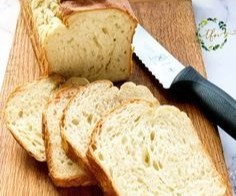
tag after Directions.

Soft Sourdough Sandwich Bread
Ingredients
- 500 g 500 g bread flour Provides strong gluten for structure and chew.
- 100 g 100 g whole wheat flour Adds flavor, nutrients, and a touch of texture.
- 350 g 350 g water Hydrates flour for a soft, extensible dough.
- 100 g 100 g active sourdough starter Natural leavening and signature sourdough flavor.
- 10 g 10 g fine sea salt Enhances flavor and strengthens the dough.
- 1 tbsp 1 tbsp olive oil or melted butter Improves tenderness and shelf life (optional).
- 1 tsp 1 tsp honey or sugar Feeds the starter slightly and contributes to browning and a softer crumb (optional).
Method
- Feed your starter 4–8 hours before mixing so it’s active and bubbly. Gently stir down any liquid before measuring.
- In a large bowl, combine 500 g bread flour, 100 g whole wheat flour, and 350 g water. Mix until no dry flour remains (a shaggy dough). Cover and let rest for 30–60 minutes for autolyse.
- Add 100 g active starter to the dough and mix by folding or pinching until incorporated.
- Sprinkle 10 g salt over the dough and add optional 1 tbsp oil and 1 tsp honey if using. Mix until evenly distributed.
- Bulk ferment at room temperature (about 21–24°C / 70–75°F) for 3–5 hours. During the first 2 hours, perform 3–4 sets of stretch-and-folds every 30 minutes.
- After bulk fermentation, turn the dough onto a lightly floured surface, pre-shape into a round and rest uncovered for 20–30 minutes.
- Perform the final shape and proof the shaped loaf for 2–4 hours at room temperature or refrigerate overnight for best flavor and structure.
- Preheat your Dutch oven to 230°C / 450°F about 45 minutes before baking.
- Gently invert the loaf onto parchment, score the top, and transfer into the hot Dutch oven. Cover and bake for 20 minutes.
- After 20 minutes, remove the lid, reduce the oven to 220°C / 425°F, and bake uncovered for another 18–25 minutes until deeply golden brown.
- Remove the loaf and cool on a wire rack for at least 1 hour before slicing to set the crumb.